Buyer education
Red iron vs. cold-formed
We manufacture red iron, so we have a stake in this. Judge it against the criteria below instead: they are the ones an engineer uses, and they will tell you when cold-formed is the better buy.
How do the three frame systems actually differ?
Red iron, cold-formed, and tube frames differ in how they carry load, how far they span without a column, and what they can support hanging from the structure.
| Criterion | Red iron — Hot-rolled / built-up | Cold-formed — Light-gauge C or Z | Tube frame — Square tubing |
|---|---|---|---|
| Typical clear span | Suited Wide clear spans without interior columns; frames are built up to the span rather than selected from a fixed range | Conditional Practical on shorter spans; wide spans require interior columns or deeper sections | Not suited Short spans; interior posts usual on anything wide |
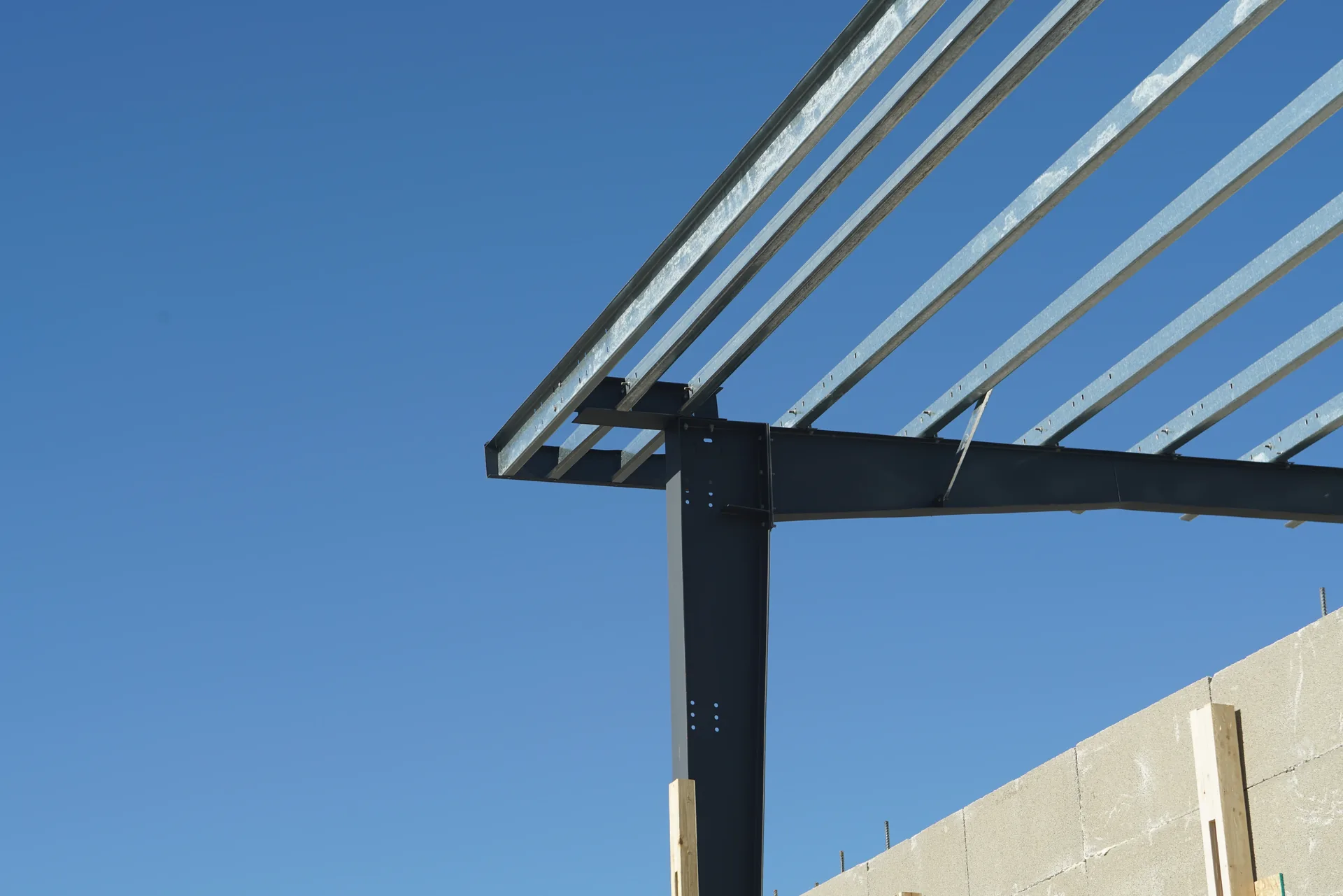
| Member shape | Tapered web members, deeper where the moment is highest | Constant-depth rolled sections | Constant-section tubing |
| Hanging and collateral load | Suited Designed for specified collateral load: cranes, liner, mechanical, and lighting | Conditional Limited; hanging loads need specific engineering | Not suited Minimal; not intended for significant hanging load |
| Crane capability | Suited Crane-ready frames are a standard option | Not suited Rarely appropriate | Not suited Not appropriate |
| High wind, seismic, and tornado exposure | Suited Engineered to the wind speed, exposure category, and seismic figures for the location, with load data taken directly from ASCE. Portal frames and wind columns are used where cable bracing will not do the job. | Conditional Buckles and twists more readily than hot-rolled steel, so high-load sites need more bracing and stiffer diaphragms. In high-seismic areas it needs full sheet shear walls rather than simple tension straps. | Not suited Not intended for high-load exposure. |
| Engineering basis | Suited PE-engineered to site-specific loads per the locally adopted IBC | Conditional Varies widely by supplier; often catalog-based | Not suited Frequently sold without site-specific engineering |
| Where it's the right call | Suited Workshops, commercial buildings, warehouses, hangars, crane buildings, barndominiums, and anything storing high-value contents | Suited Light-duty storage and covers where spans are short and nothing hangs from the frame | Suited Carports and open covers |
To be explicit, because it matters: cold-formed and tube systems are not defective, and we are not going to tell you they are. For a carport, a light equipment cover, or a short-span shed with nothing hanging off the frame, a tube or cold-formed building is the appropriate choice and it will cost you less. The case for red iron starts when you need a genuine clear span, when you want to hang a crane or a mezzanine off the structure, or when what goes inside is worth substantially more than the building.
What does 'engineered to your site' change about the frame?
Site-specific engineering changes the actual steel: member depths, flange sizes, bracing and connection design are all sized from the wind, snow and seismic figures for where you are building.
A pre-engineered building is not a pre-drawn building. The frame is designed against the governing code as adopted in your jurisdiction, using the wind speed and exposure category for your address, the ground snow load, the seismic site class, and any collateral load you specify.
This is why two suppliers quoting 'a 60x100' can be quoting materially different structures. It's also why we publish the design loads inside the proposal rather than leaving them to be discovered at plan review.
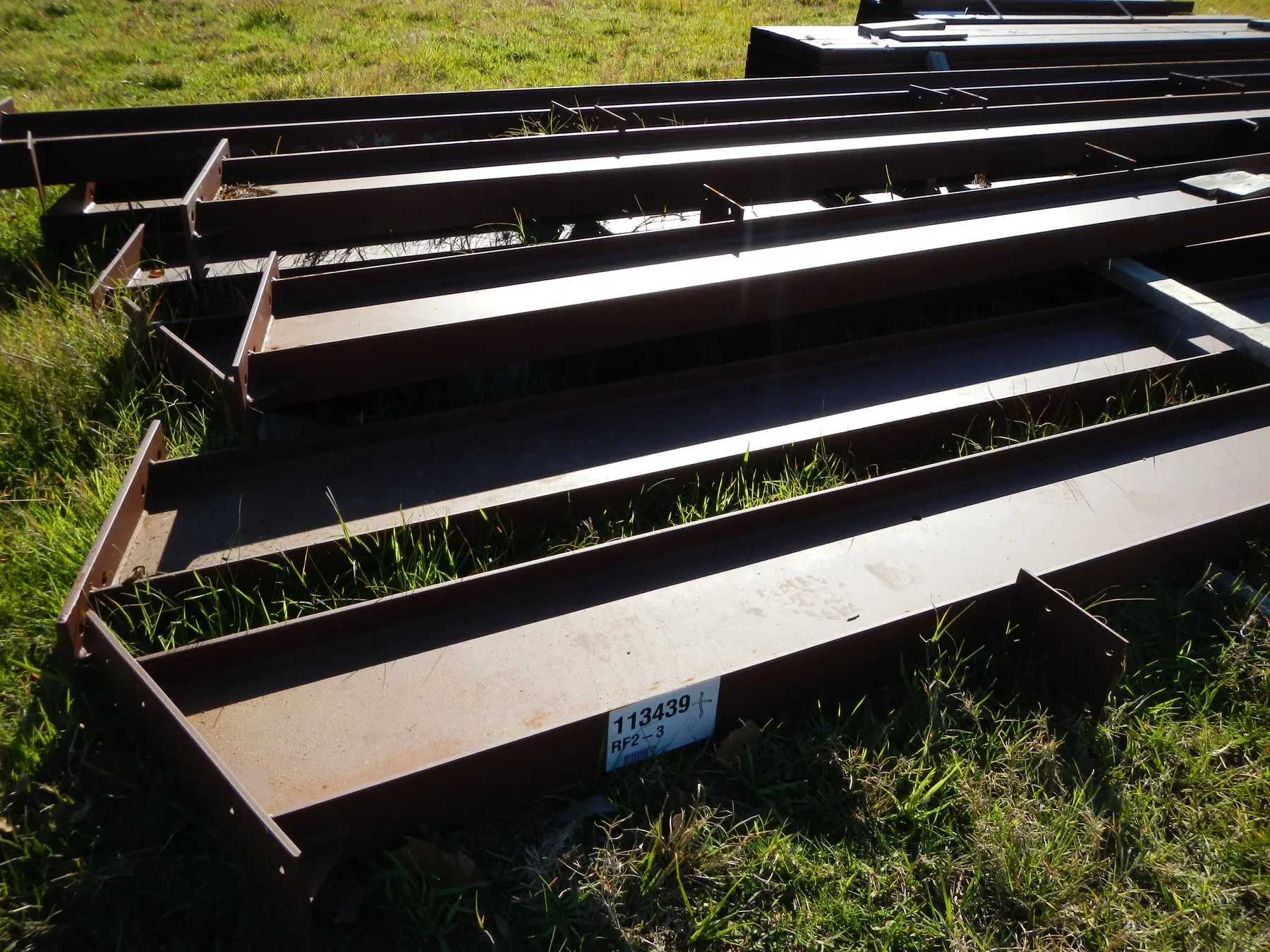
- Primary frames in ASTM A572 Grade 50, welded to AWS procedures
- Secondary framing in galvanized 16-gauge S350GD
- 26-gauge PBR profile sheeting in PPGL G550
- All partner facilities are registered in accordance with IAS standards for metal building manufacturing
Not sure which system your project needs?
Describe the span, the height and what has to hang from the frame. If cold-formed is the right answer for your build, we'll tell you that.